Lady Wisdom Sings
By Anthony Casperson
6-6-26
Memories of old-school Disney princess movies struck me while I was looking at the passage for this week’s blog in our summer series through the first nine chapters of Proverbs. And, try as I might to come up with any other intro, those thoughts refused to let me start this any other way.
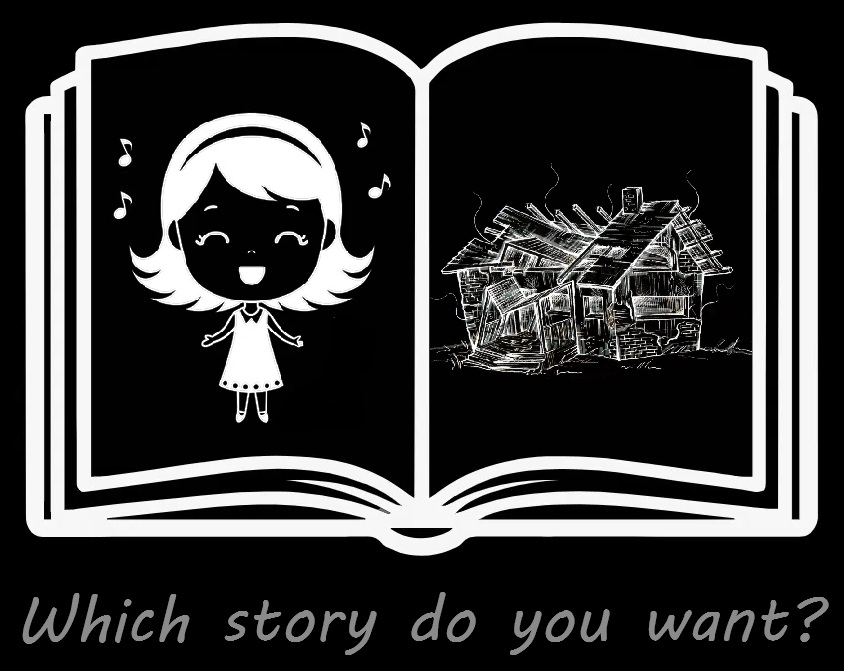
You know how it felt like all of those early Disney fairytale protagonists had a superpower of song? They’d lift their voices, and the forest would gather at the beauty of the melody. Work and chores became fun and playtime, with the job getting done in minutes, rather than hours of grueling labor. About the only people who wouldn’t stop and appreciate the princesses’ songs were the villains.
But then, if you went to look at the original fairytales—or as close as you could get to them—the whole thing felt more like a horror story. The villains were forced to: wear red-hot iron shoes and dance until dropping dead, have their eyes pecked out by pigeons and left as outcasts, or were thrown to a pit of venomous animals and consumed by the beasts.
The two versions of the story really don’t mesh. At all. The Disneyfied version is mostly happy, with the villains either being destroyed by their own hand, or vanquished by a valiant warrior. But certainly, their deaths weren’t spotlighted. They were circumstantial. A mere speedbump on the way to “Happily Ever After.” Yet, in the originals, the demise of the villain is almost made to be the highlight of the denouement. A major focus of the conclusion.
It’s difficult for both of those sides to fit in our heads at the same time.
And yet, while I was researching for this blog from Proverbs 1:20-33, a similar dichotomy was merged into one story. This first poem of Wisdom personified goes from Disney singing intro to a Grimm-tales-styled ending in a matter of fourteen verses. Yet, there is a reason for it that makes sense if we watch closely.
In verses 20-21, we see Lady Wisdom traversing the public places of the city. She’s going down the streets, walking through the marketplace, and even heading to the public meeting place of the civic leaders at the city’s entrance gates. No one could miss her because she’s in all of the public places.
On top of that, Lady Wisdom calls out to all who will listen. This word for “cries out” in verse 20 carries with it the idea of shouting or singing for joy. It’s an exuberant belting out that lifts the spirits of all who listen.
And in verse 21, when the passage says that she cries out “at the head of noisy streets,” the word for “streets” isn’t there. One could almost translate this section as saying, “she cries out over top of the chaotic din.” Everything else fades into the background as Lady Wisdom’s song rises for all to hear.
What is this melody she sings? What sort of “I want” song pours forth from her lips? She desires for all people to heed her teaching and warning. It’s not even a selfish want. She wants what’s best for everyone around her.
Look at verses 22-23. She wants the simple—the naïve—to stop living in their naivete. She desires for those who mock her to realize there is delight in something other than scoffing. And she longs for fools—those who have a propensity to make wrong choices—to actually reach out for understanding.
These things can happen, if only people turn to her words. Step down the path of her correction. Lady Wisdom sings an invitation to set aside the things that have led us to destruction, and instead follow her teaching.
It’s a call to Solomon’s main point from Proverbs 1:7. Surrender to the ways of Yahweh, and seek his wisdom. Humble yourself and learn, even if the correction leads down paths away from our own selfish “I want” songs.
When we listen to the words of Lady Wisdom, when we let her melody move us to its rhythm, she will lead us to life and goodness. Her spirit—her soul’s life force—will be poured out for us. She’ll hold nothing back.
But the problem is that not all will heed her words. She might be found everywhere that people gather, she might belt her lungs out, but some will still refuse to listen. Too many will deafen their ears to her song. Their choices lead them to ignore her words, and refuse to follow her correction.
And refusal to heed Wisdom’s song, leads to a bitter end.
In verses 24-27, we see not only the refusal to listen to her words, but also a very Grimm-esque reaction that Lady Wisdom has for those who didn’t follow her ways. She seems to almost have a lack of pity toward the plight of the naïve, mockers, and fools who refused her song.
But in truth, there’s a turn of just desserts to it. A flipping of the script back on those who refused to follow their lines.
Verses 24-25 rise as important pieces of this understanding. It’s because such people failed to listen, because they didn’t heed her outstretched hand, and because they ignored her counsel and correction that their miserable end happened. She’d warned them, but they stepped in it anyway.
If you caution someone that the path ahead is icy, and they should take slow, short steps, but they continue forward in their careless pace, are you not going to shake your head, saying, “Well…” when they fall? Is the short chuckle at their pratfall not deserved?
The care and the pity came in the warning. But when wise words are left unheeded, care is diminished. When the help is mocked, should pity’s hand not be withdrawn? At least, a little?
It’s because Lady Wisdom’s song of correction was left unheeded that she laughs at the disaster that falls upon the naïve and the fool. It’s because her melody was mocked, that she returns the mockery back in just desserts. The terror of the ruinous storm, the calamity of the tornado, and the distress and anguish falling upon them had been earned in the refusal to heed Wisdom’s words.
Of course, Lady Wisdom’s reaction goes the way it does. She shakes her head and sighs because they should’ve listened.
This is what happens when we don’t pay the cost of humility as tuition for the school of wisdom.
And what’s worse is that there will come a point one day when that open enrollment to Wisdom’s school is closed. Verses 28-31 show us the truth of this.
Those who once mocked and refused Lady Wisdom’s song will never again find the one they chose to drive off. Lady Wisdom, who had been belting out her song at every street crossing and main gathering place, will no longer be found. The refusal to heed her words means that they will no longer hear her melody that rose above the chaos of city life. Her song continues, but they’ve just deafened themselves to ever hear it again.
The naïve, mockers, and fools hated knowledge and refused to fear of the Lord. They rolled their eyes at Wisdom and sneered at her corrections. So, now the result they’re left with is ruin. The fruit of their labors is rotten. And their own foolish counsel is all that’s left to heed.
Endings like that aren’t meant to glorify the scoffing at the naïve, mocker, and fool. Rather they are to call us out of that way of life. It’s part of Lady Wisdom’s song that this will be our end if we don’t seek her. If we refuse the fear of Yahweh, our end will be our own fault.
Her song ends in verses 32-33 with a choice for us to make. Refuse her song or listen to it? Continue in our mocking selfishness, or humble ourselves before the Creator of the universe?
The choice is ours. And the ramifications of that choice can be more grim than a fairytale.

I have a point, trust me. Just go with it.