Don’ts of Life
By Anthony Casperson
7-11-26
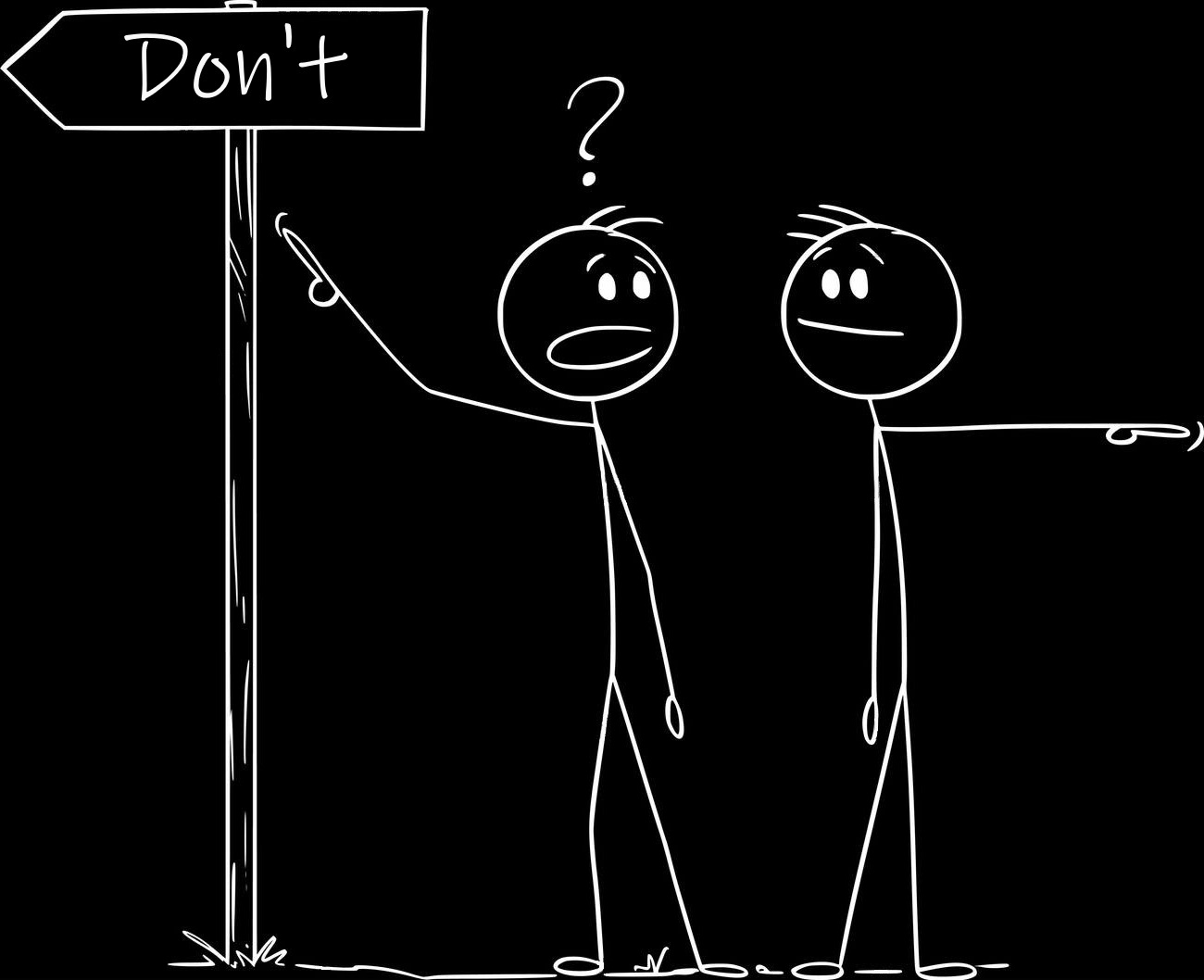
Don’t leave the path.
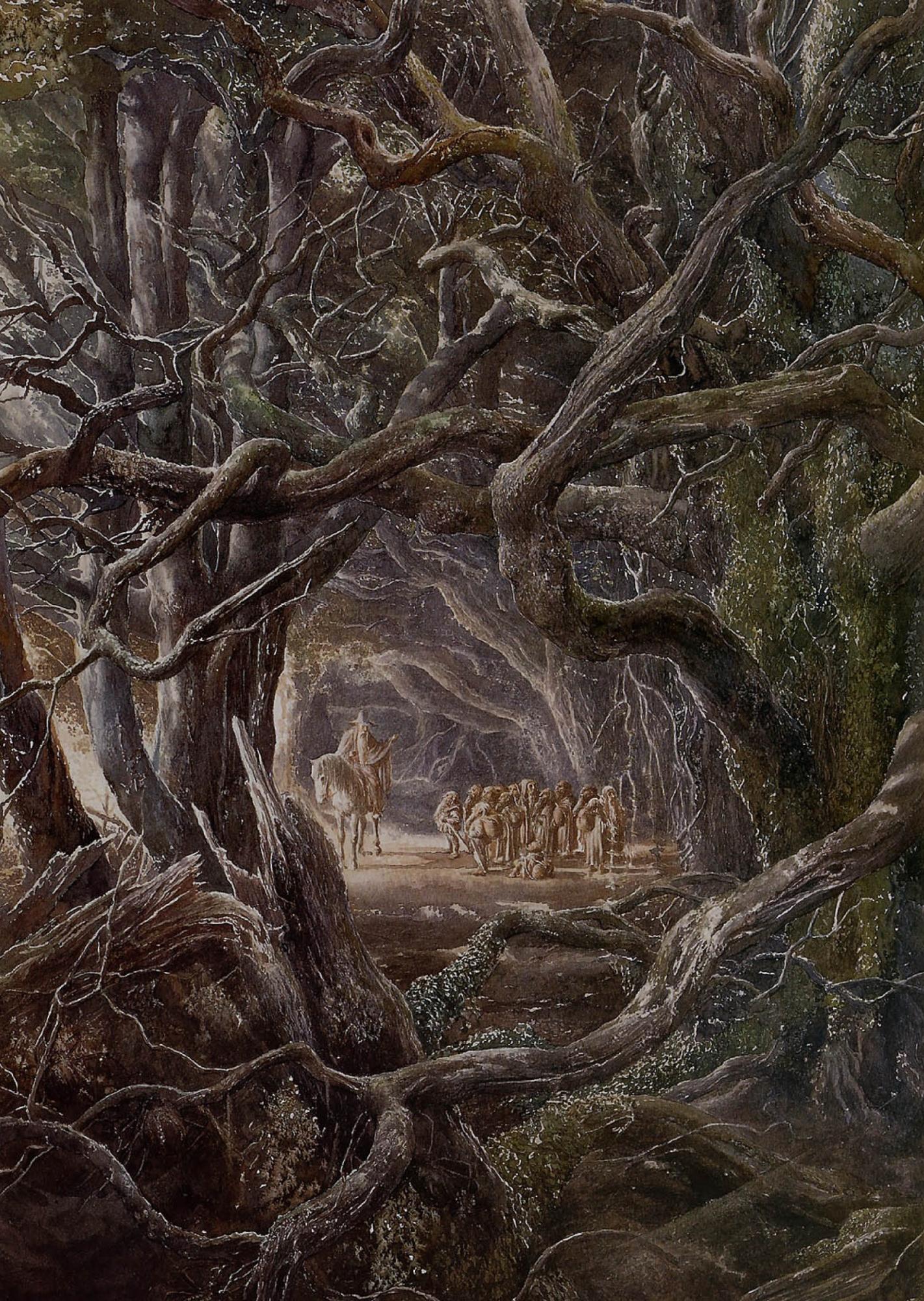
This instruction is hammered into the minds of the dwarves of Thorin Oakenshield’s company before entering Mirkwood Forest during the story of The Hobbit. Both Gandalf and Beorn emphasize this one piece of wisdom. It was the most important thing to remember in that dark and deadly forest.
Along with this statement stand a number of other don’ts for the dwarves and Bilbo Baggins. Don’t touch or drink the water because it causes drowsiness and forgetfulness. Don’t forage for food because nothing of wholesome quality grows inside those woods. Don’t shoot the wildlife because it’ll just be a waste of arrows—see the previous instruction—and it’ll just disrupt the local wildlife. And don’t interact with the local inhabitants, the giant spiders and elves, because neither of them will have friendly intentions toward this troop of dwarves.
It sounds like a long list of rules. A bunch of superfluous bits of information for people who’ve been told and retold to just stay on the path. What kind of idiots do Gandalf and Beorn think Thorin’s party are?
But it’s not that the wizard and skin-changing Beorning think that the company of dwarves are idiots. (Well… most of the time.) But rather because they understand just how dangerous the forest is. That wood isn’t just dark and dreary, while filled with dangerous things that try to stay away from travelers. Those dangers actively tempt and test those wandering its paths. There’s an almost malicious will to the forest that craves the destruction of all who enter.
Therefore, the warnings and wise words interpose themselves as guardians from the tempting forest that whispers of good, wondrous, and mysterious things just beyond the sight of the path. The don’ts aren’t meant to stop discovery, or fun, or amazing new experiences. Rather, they set expectations of what the path through Mirkwood will be.
And they create the best chance for life to remain within the company.
We often think of don’ts as if they’re always meant to prevent good things. But time and again, when we refuse to listen to the don’ts, we find ourselves lost. Or wrapped up as spider dinner. Or imprisoned by the strange elf king.
During those moments we realize just how life-giving-ly important the don’ts are. We finally realize what the instructions intended to keep us from ever having to suffer. But often, it’s too late by then.
In our summer blog series through Proverbs 1-9, we come to a passage—Prov. 3:21-35—with a lot of don’ts. Seven of them, some of which are rapid-fire around the middle of the passage. Yet, I don’t want us to look at them with eye rolls or sighs of, “Another list of rules to follow?!”
Rather, let’s look at the don’ts for what they are meant to be. They’re advice protecting our lives from the disastrous call of the darkness surrounding us. They don’t restrict us from the world beyond. Instead they restrict the world from its desire to hurt us.
With this in mind, let’s look at the first don’t, part of which sounds very much like that first instruction from Gandalf and Beorn.
Don’t lose sight of the path of sound wisdom and discretion.
Wisdom leading to practical success, as well as deliberate shrewdness, should be our guiding focus. Like a far off landmark or a celestial body which maintains our general bearing for life. This piece of advice reminds us that the most sure manner in which to get lost is to continue onward without any sort of visual or instrumental bearing.
We need a focal point to guide.
The most trustworthy things to set our sights on are the actions we know will lead us to godly outcomes. Holiness in a practical sense that comes from genuine insight into our surroundings and who God is. This means it’s important for us to know him better, because then it’s easier to read the compass of righteousness.
When we set sound wisdom and discretion as our guides, they will keep life in our very souls. They’ll be like an elegant and beautiful necklace for all to see. And, most directly connecting to our opening illustration, they’ll keep our feet on the path and prevent us from stumbling.
All of those dark and dangerous things out there won’t lure us into their webs when we refuse to leave the righteous path. Our lives won’t get caught in the traps just beyond sight, as long as we don’t purposefully set our feet beyond its boundaries. We can sleep without the trembling of one lost in a dark and dangerous forest, but rather as one who finds truly sweet dreams.
We often blame God for the disasters befalling our lives. But many times it was because we didn’t let sound wisdom and discretion guide our feet on the proper path.
Sure, there are times when the difficulties of life aren’t because we’ve lost our path. But those occasions lead us to the truth of the next don’t, found in Proverbs 3:25-26.
Don’t fear the troubles of life.
The trembling terror and utter devastation that some might experience doesn’t have to mean our end. Not when we walk this path with God at our side. He’s able to free us from the traps. He can help us through the pain and difficulties in a way that no one else can.
When verse 26 tells us that Yahweh will be our “confidence,” that word is often translated as the “flank” of a sacrifice. It sounded strange until I realized that it could mean that God is at our flank. On our 6. He’s the wingman who’s got our back when the enemy strikes.
Having this vigilant wingman flanking us should give us extreme confidence, because we have the best backup in the world. One who will be there with us in every trap and trial.
That doesn’t mean that every problem will be easy to escape. But rather, we have one whose strength can be relied upon in the midst of it. When other people lay traps to mistreat us, we have the most faithful friend beside us through it all. One who is more than willing to carry us. (But that’s a different Tolkien property reference.)
We have the best neighbor who shows us the way to live. And that example helps us understand the next four don’ts which increase their rate of fire in Proverbs 3:27-30. And they can be summarized in a single phrase.
Don’t mistreat your neighbor.
We shouldn’t be one’s laying traps for others on the path. This isn’t Mario Kart, where we’re dropping banana peels just so that we’re not being passed at the finish line. The path of life isn’t a race. And it’s certainly not competitive. So we should be as cooperative as possible when it comes to the people around us.
The third don’t reminds us to never withhold things from people who deserve them, if we actually have the resources to give. We might have the thought come to mind that if we give this little bit we have before we hold the sure increase of another enterprise in our hand, then we’ll be in a precarious situation. So we’ll ask the person to hang on just a little bit longer so that we can stand secure.
“I know I owe you, but if you can hang on just another day or two, I’ll be in a better financial situation. You understand, right?” The point there is that we might not be the only one in a tight spot.
Consider what the other person feels, having expected the money we owed them today, yet now they have to wait. Someone else might’ve just asked them for the same lenience, but now with our added failure to pay them back. It proves a selfishness that cares little for the lives of others, while we prance around in the costume of prudence.
Seeking safety for our live is good, but not when it costs others’.
Verse 28 gives the fourth don’t, which sounds like it basically reiterates the previous one. But it does transfer the relationship from someone whom we owe, to our neighbor asking for a hand. We should never make other people wait for our help, when we can help them right then and there.
We’d be so angry if we heard that the person we went to for help actually had the money but refused to give it to us. Likewise, we’d be livid if the person held the needed thing just out of our reach, and made us jump through hoops. Hoops like, “Come back again tomorrow. Oh, and really beg for it next time.” That only creates more animosity between people who should be neighbors.
That sounds a lot like the fifth don’t being disregarded, to be honest. In verse 29, we see the instruction to not prepare evil against our neighbor. We shouldn’t abuse the trust that human beings ought to have with one another. We live side by side. And the more we mistreat each other, the worse it’ll get for all of us.
Breaking trust is the very thing that keeps us separated, behind closed doors, and angry at each other. The purposed traps show how little we care about others and the God whose image we all bear. It all just escalates to deep-seated wars between fellow creations of Yahweh.
This is why the sixth don’t in verse 30 tells us to not contend with someone who’s done nothing against us. It’s a waste of time, energy, and other resources when we fight or sue someone who did nothing wrong. Planning on proclaiming false witness or trying to get back at someone for a perceived wrong helps no one.
All such things do is separate us further. Create more divisions. Invoke more wrath and war. It leads us directly into the destruction of the woods. We might think that we’re being helpful to ourselves and our own hungers, but all we’re doing is feeding the forest.
That is the end of all who promote rampant and heedless violence. This is why we should follow the final don’t of the passage, from verses 31-35.
Don’t let the ways of the godless tempt you.
Sometimes the paths of the godless might seem like a good thing. We might be promised merry music and pleasant culinary aromas, but to be jealous of those deadly lures will lead us to nothing but getting lost.
We shouldn’t choose the ways of the godless—those who have left the path—because their actions are abominations before the God who calls us to be his. He calls us to be righteous and join his circle of confidants, not chase after false promises of fun.
Verses 32-35 show us the dichotomy of those who stay on the path and those who divulge from it. Abominable sight, or welcomed confidant. The curse of Yahweh, or his blessing. Scorned mocker, or humble favored. Disgraced fool, or honored inheritor.
The choice should be clear which is preferred.
Yet, there are many who leave the path. For numerous and varied reasons we step off the road. Some forget because of the situations surrounding us. Some let their appetites get the better of them. And some just want whatever it is that’s beyond their sight.
But all will fall to the destructive traps of the waiting forest and its inhabitants.
It’s only when we heed the don’ts that we find ourselves able to pass through the forest with our lives in tact. Without worry of pursuit behind us. And knowledge that the don’ts were meant to protect our life, not prevent us from living it.
Wisdom means understanding that a don’t isn’t always a burdensome restriction. It is often the tether to life in the most dangerous of places.
So, let’s learn from the wisdom of these don’ts. And keep our feet on the path God has for us.